
TVT Surgery in İzmir
Urinary leakage while coughing, laughing, sneezing, or exercising can negatively affect the daily life and comfort of many women. It may cause them to withdraw from social settings, change the clothes they wear, or constantly look for a toilet. However, urinary incontinence should not be considered an inevitable consequence of aging or childbirth. TVT surgery in İzmir is a surgical treatment option used particularly for suitable patients diagnosed with stress urinary incontinence who have not obtained sufficient benefit from non-surgical treatments. For successful treatment, the type of urinary incontinence must first be correctly diagnosed by an obstetrician and gynecologist.
What Is TVT Surgery?
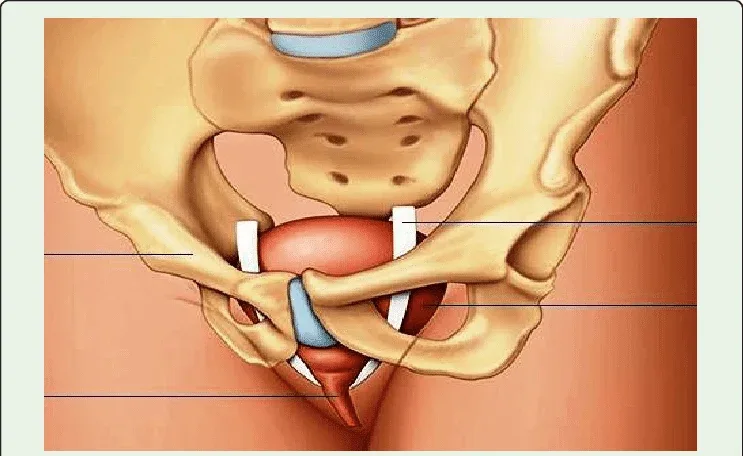
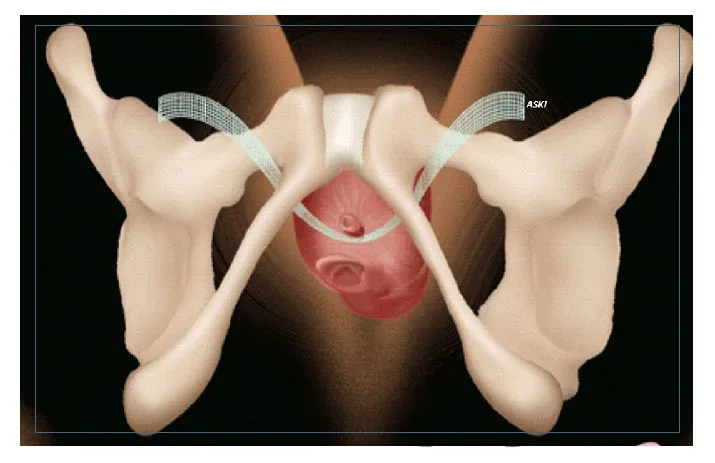
TVT stands for “Tension-Free Vaginal Tape.” During the operation, a thin synthetic tape is placed beneath the middle portion of the urethra, which is the tube that carries urine out of the body.
This tape supports the urethra when pressure inside the abdomen increases during activities such as coughing or sneezing. It therefore helps prevent and control involuntary urinary leakage.
Who Is Eligible for TVT Surgery?
TVT surgery may be considered when:
-
Stress urinary incontinence has been definitively diagnosed through medical examination
-
The symptoms significantly affect daily and social life
-
Non-surgical treatments, such as pelvic floor exercises, have not provided sufficient improvement
-
The patient’s general health is suitable for surgery
-
The patient understands the benefits, alternatives, and potential risks of the operation
TVT surgery is primarily used to treat stress urinary incontinence. Stress urinary incontinence refers to urine leakage during coughing, laughing, sneezing, climbing stairs, exercising, or lifting heavy objects.
How Is TVT Surgery Performed?
The main stages of the operation are as follows:
-
A small incision is made in the front wall of the vagina.
-
A synthetic tape is placed beneath the middle portion of the urethra.
-
The two ends of the tape are passed behind the pubic bone and brought out through two small incisions in the lower abdomen.
-
The tape is positioned to support the urethra without compressing it.
-
The bladder and urinary tract may be examined using cystoscopy.
-
The small incisions are closed, completing the procedure.
The aim of TVT surgery is not to compress the urethra excessively, but to create a supportive structure that becomes effective when pressure inside the abdomen increases. After surgery, the doctor must check whether the patient can urinate comfortably and empty the bladder adequately.
With more than 40 years of professional experience, Prof. Dr. İsmail Mete İtil evaluates the patient’s symptoms, examination findings, and test results together to create a personalized surgical treatment plan.
TVT surgery may be performed under general anesthesia or spinal anesthesia, which numbs the body from the waist down. The most appropriate anesthetic method is determined by the anesthesiologist according to the patient’s health condition.
What Is the Difference Between TVT and TOT Surgery?
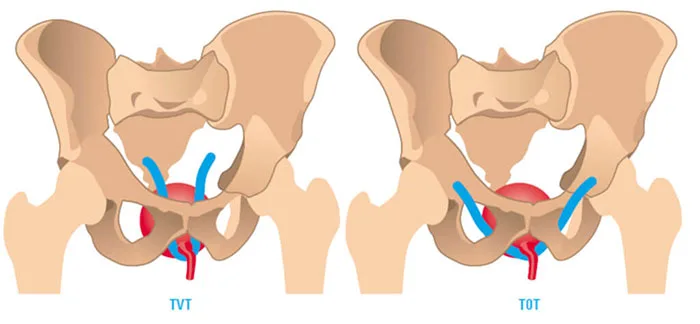
Both TVT and TOT surgery involve placing a supportive tape beneath the urethra. The main difference is the route the tape follows through the body.
In the TVT technique, the tape supporting the urethra is passed behind the front portion of the pelvic bone, and its ends are brought out through small incisions in the lower abdomen. In the TOT technique, the tape is passed through the natural openings on both sides of the pelvic bone, and its ends are brought out through small incisions in the groin.
The most appropriate method is determined by considering previous operations, the characteristics of urinary incontinence, bladder and urethral function, the patient’s anatomy, and individual risk factors.
What Is the Recovery Process After TVT Surgery?
After surgery, the patient’s ability to urinate and the amount of urine remaining in the bladder are assessed. Some patients may be discharged on the same day, while others may need to remain under observation overnight. If temporary difficulty urinating develops, a urinary catheter may be used for a short period.
Mild groin pain, vaginal spotting, and sensitivity during urination may occur during the first few days. The time required to return to daily activities varies according to the patient’s recovery and type of work. The doctor’s recommendations regarding heavy lifting, strenuous exercise, sexual intercourse, swimming pools, and bathing must be followed carefully. Because internal tissues may take longer to heal than the external area suggests, patients should not resume all normal activities too early, even if they feel well.
What Are the Risks of TVT Surgery?
Possible complications after TVT surgery include bleeding, infection, urinary tract infection, temporary difficulty urinating, and increased urinary urgency. Less common complications include bladder injury, exposure or erosion of the tape into the vagina or urinary tract, groin or pelvic pain, pain during sexual intercourse, and the need for further surgery.
To reduce these risks as much as possible, the procedure should be performed by an obstetrician and gynecologist experienced in pelvic floor surgery. Nevertheless, no surgical procedure can be guaranteed to be completely risk-free.
Assessment Before TVT Surgery in İzmir
The first step for patients considering TVT surgery in İzmir is to determine the type of urinary incontinence. The assessment includes the characteristics of the symptoms, childbirth and surgical history, current medications, pelvic floor examination, urinalysis, and the bladder’s ability to empty. Additional diagnostic tests, imaging, or urodynamic examinations may be performed when medically necessary.
Following a detailed examination by Prof. Dr. İsmail Mete İtil, treatment options such as TVT, TOT, pelvic floor therapy, and other surgical procedures are evaluated and planned according to the patient’s individual needs.
Doctor Performing TVT Surgery for Urinary Incontinence in İzmir
The diagnosis, surgical planning, and follow-up stages of TVT surgery should be managed by an obstetrician and gynecologist experienced in pelvic floor surgery. With more than 40 years of professional experience, Prof. Dr. İsmail Mete İtil creates personalized treatment plans for TVT surgery and for the diagnosis and treatment of different types of urinary incontinence.
TVT Surgery Prices
The cost of TVT surgery varies according to the characteristics of the tape used, hospital and anesthesia fees, required tests, length of hospital stay, and whether additional surgical procedures are needed. The final cost is determined after a medical examination and the preparation of a personalized surgical plan.
Conclusion
TVT surgery is an effective treatment option for suitable patients whose quality of life has been affected by stress urinary incontinence. However, not every form of urinary incontinence is treated with TVT surgery. An accurate diagnosis, personalized selection of the treatment method, awareness that the tape is a permanent implant, and regular follow-up all contribute to a safe and successful treatment process.
This article is intended for informational purposes only and does not constitute medical advice, diagnosis, or treatment. Please consult a qualified physician for diagnosis and treatment.
Prof. Dr. İsmail Mete İtil | Specialist in Obstetrics and Gynecology